AgriTech × Social Impact · Sub-Saharan Africa
Save food.
Empower women.
Create value locally.
Up to 20 % of the harvest is lost in sub-Saharan Africa. Together with women’s cooperatives, Save the Grain deploys sustainable agricultural technology and local processing so that losses turn into income.






The challenge
Losses happen quietly, between harvest and market.
A large part of the harvest spoils before it reaches the market: in the field, during drying, in storage. Smallholder women lack energy, technology and knowledge. They lose income, their families lose food.
The biggest losses happen during drying. That is exactly where our Solar Dryer comes in.
Why it matters
Hunger
48 m
people could be fed every year from the grain alone that is lost after harvest in sub-Saharan Africa.
World Bank/FAO 2011
Economy
USD 4 bn
value of grain losses per year, as much as the region spends on grain imports annually.
World Bank/FAO 2011
Women
USD 1 tn
more global economic output if women in agriculture were equally productive and equally paid.
FAO 2023
Leverage
2 to 3×
more effective at reducing poverty is growth in agriculture than growth in other sectors.
World Bank
The full evidence with all sources is on the page Challenge.
Our solution
From field to market: along the entire value chain.
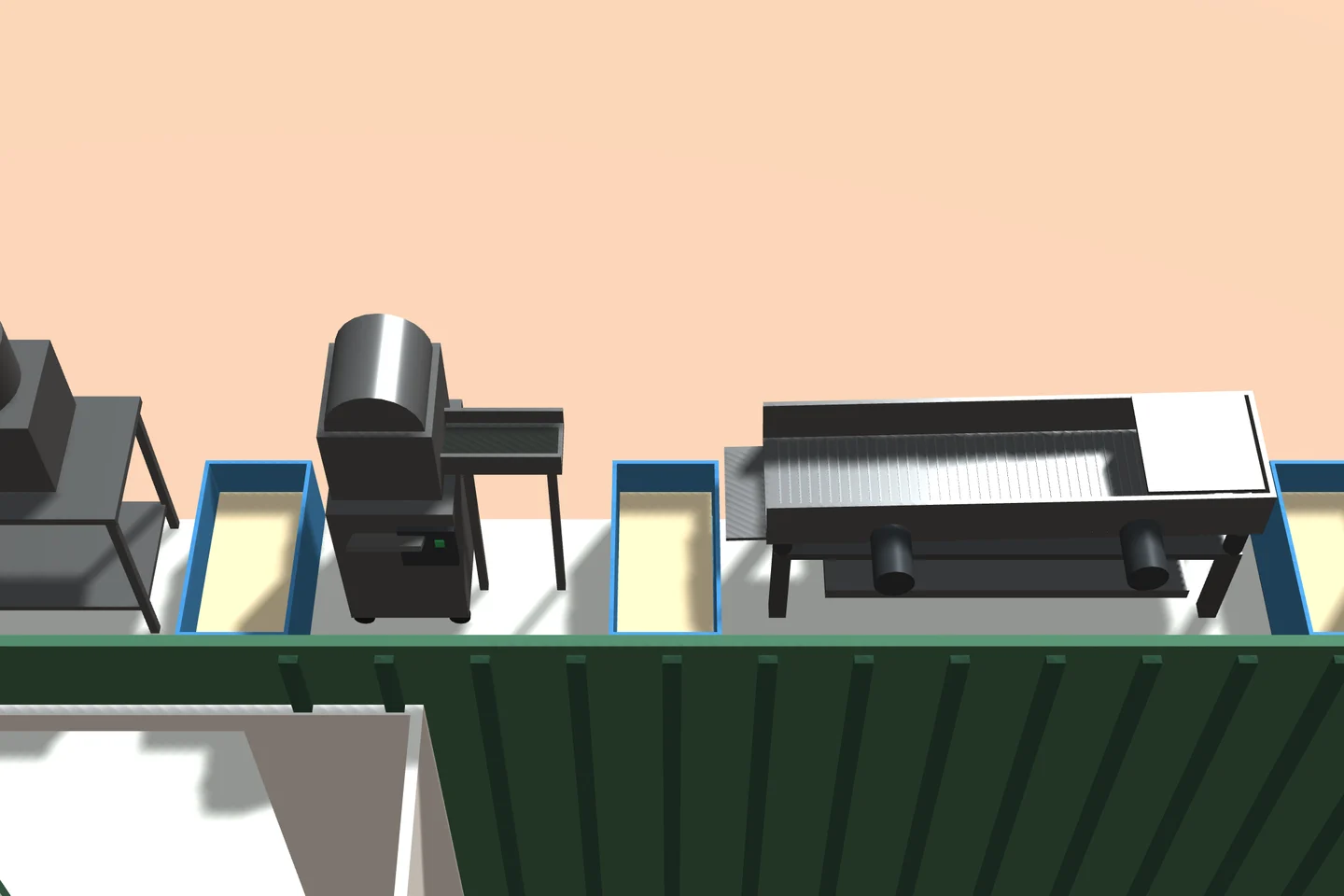
We step in where losses occur: at harvest, in processing and in access to markets. The facilities are run by the local communities, first and foremost by women’s cooperatives.
Tap a step for problem, solution and result
The problem
Most losses happen during harvest and drying.
Our solution
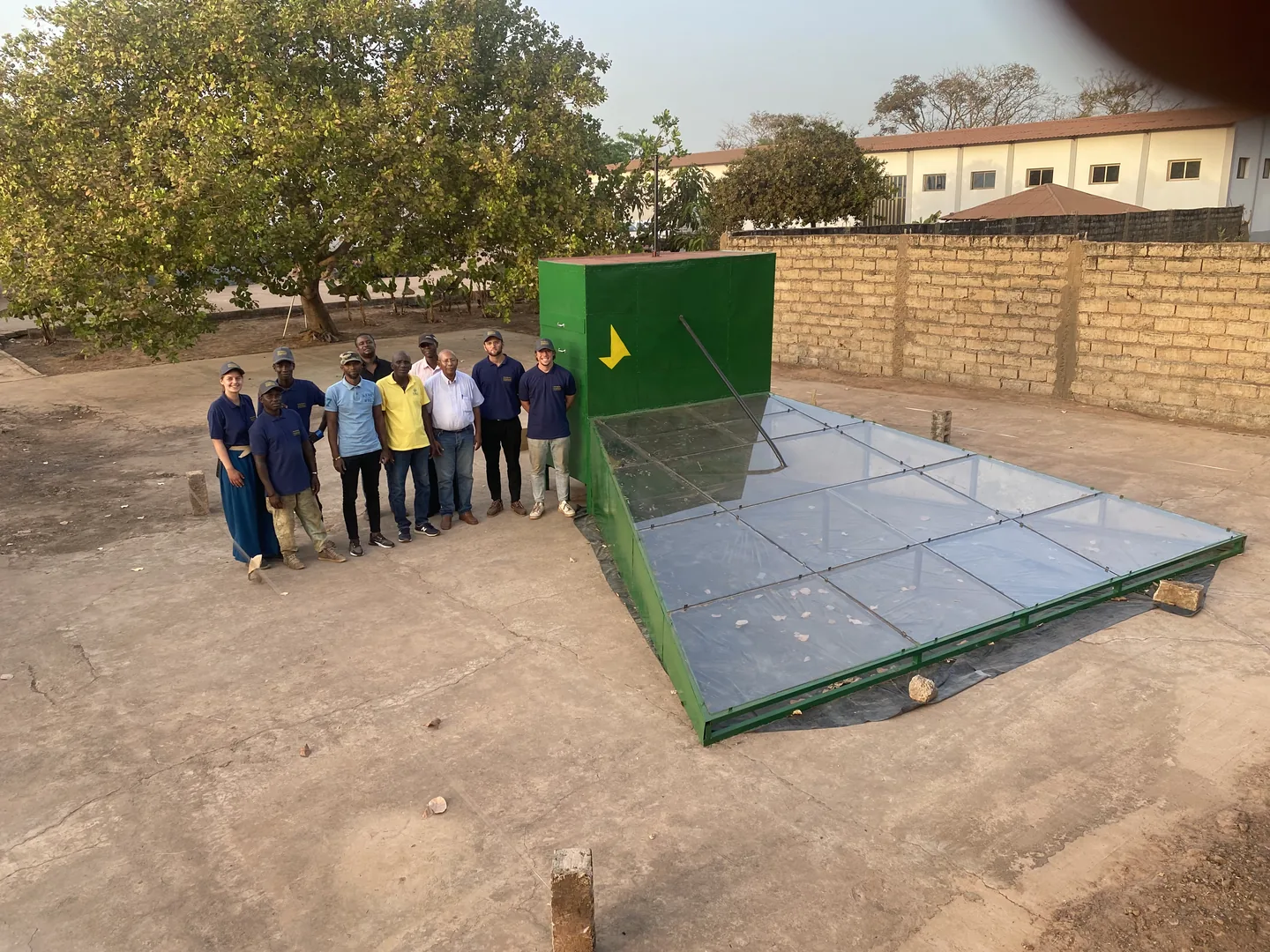
Solar Dryer right at the cooperatives, without grid power or fuel.
What it brings
Less spoilage, longer shelf life: for own use and local markets.
The problem
Small quantities bring little income.
Our solution
Sustainable industrial drying unit made of polycarbonate, up to 2,000 kg per batch.
What it brings
Volumes for regional trade and export.
The problem
Raw produce fetches low prices.
Our solution
Green production container: hygiene chamber, milling, sorting, packaging.
What it brings
Finished products: the value stays local.
The problem
Without safe storage the harvest spoils, and food runs short between harvests.
Our solution
Storage and preservation, e.g. airtight storage bags, without chemicals.
What it brings
Food and income all year round.
The problem
Women often lack training, certification and direct market access.
Our solution
Training, access to certification, operation and leadership by women’s cooperatives.
What it brings
Operators, not recipients, without middlemen.
What comparable projects show, not our own figures:
- 40 % → 5 %mango losses in a solar drying project in Ghana (field observation)
- 25 %of the EU market for dried mangoes is supplied by Burkina Faso
More than technology
Technology alone is not enough. That is why we stay involved.
To turn saved harvests into lasting income, Save the Grain also supports the cooperatives with:
Buyers and market access
We connect cooperatives directly with processors and traders and support fixed offtake agreements. Comparable programmes increased marketed volumes by a third this way (YieldWise, Kenya).
Financing the equipment
High purchase costs are one of the biggest hurdles. We develop suitable models: leasing, pay-per-use or drying as a service of the cooperative.
Training
More than 80 % of women mango farmers do not know improved drying methods, fewer than 5 % have ever been trained (SEI). With Femmepact we are changing that.
Year-round use
Mango, grain, vegetables, moringa: our units process several products and keep running outside the harvest season.
Quality and certification
Hygiene standards, aflatoxin tests and labels such as organic or Fairtrade open the way into the EU market. Burkina Faso shows it can be done.
Measuring impact through research
Together with universities and research institutes we collect baseline values at every site (losses, income, women reached) and measure again regularly.
Where we work
From the first cooperative to scale.
We are in the pilot phase. What you see here is proven. Everything else we measure together with our research partners, and we will show it as soon as the figures are in.
3
Countries active
Senegal, Guinea‑Bissau, Ghana
4
Solar Dryers in use
3 in Senegal, 1 in Guinea‑Bissau
1
Pilot project launched
Ghana
2
Research partners
University of Wuppertal, TH Köln · in talks with universities in Accra and Dakar
01 · Established
Senegal
3 Solar Dryers, with the Ministry of Agriculture and a women’s cooperative in Saint Louis.
02 · Proven
Guinea‑Bissau
1 Solar Dryer in field testing.
03 · Pilot
Ghana
Setting up the first site.
What we will measure next
- Loss reduction
- Quantity dried
- Women trained
- Income
With your support, 4 units become a network.
Become a partner →On site
Real people. Real harvests. Real change.
A voice from the cooperative will appear here soon, for example from Saint Louis.
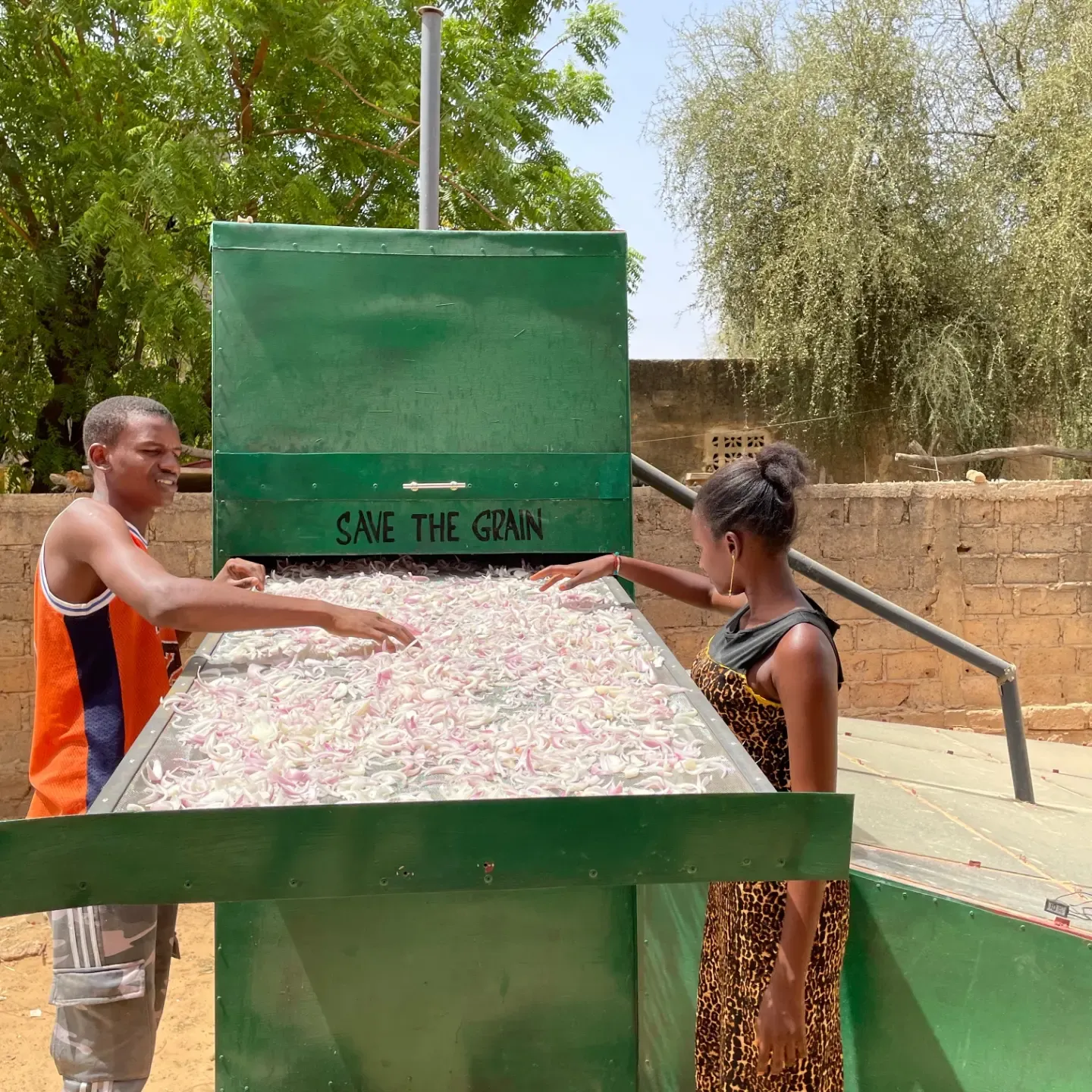
Saint Louis, Senegal
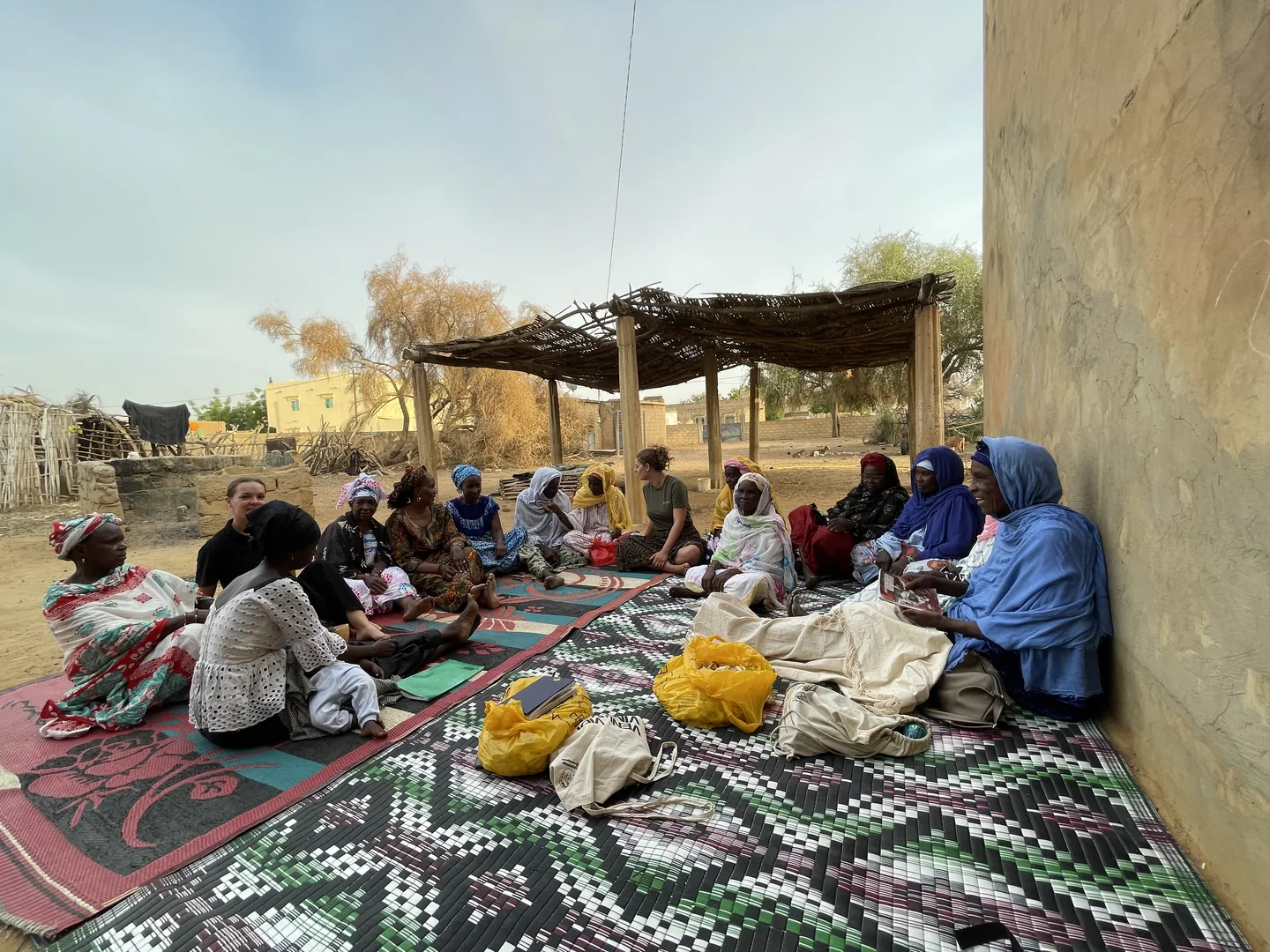
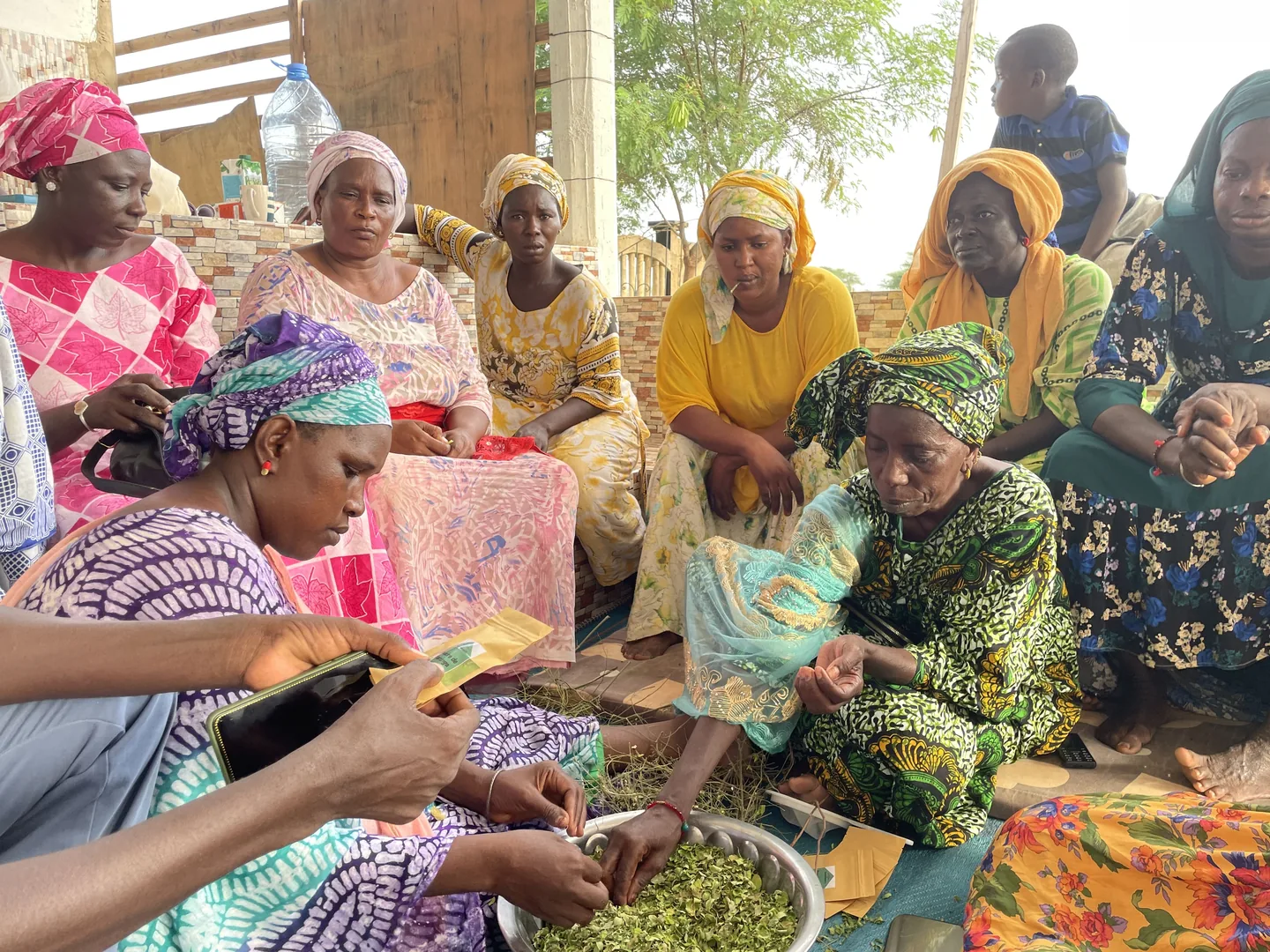
Training in the cooperative
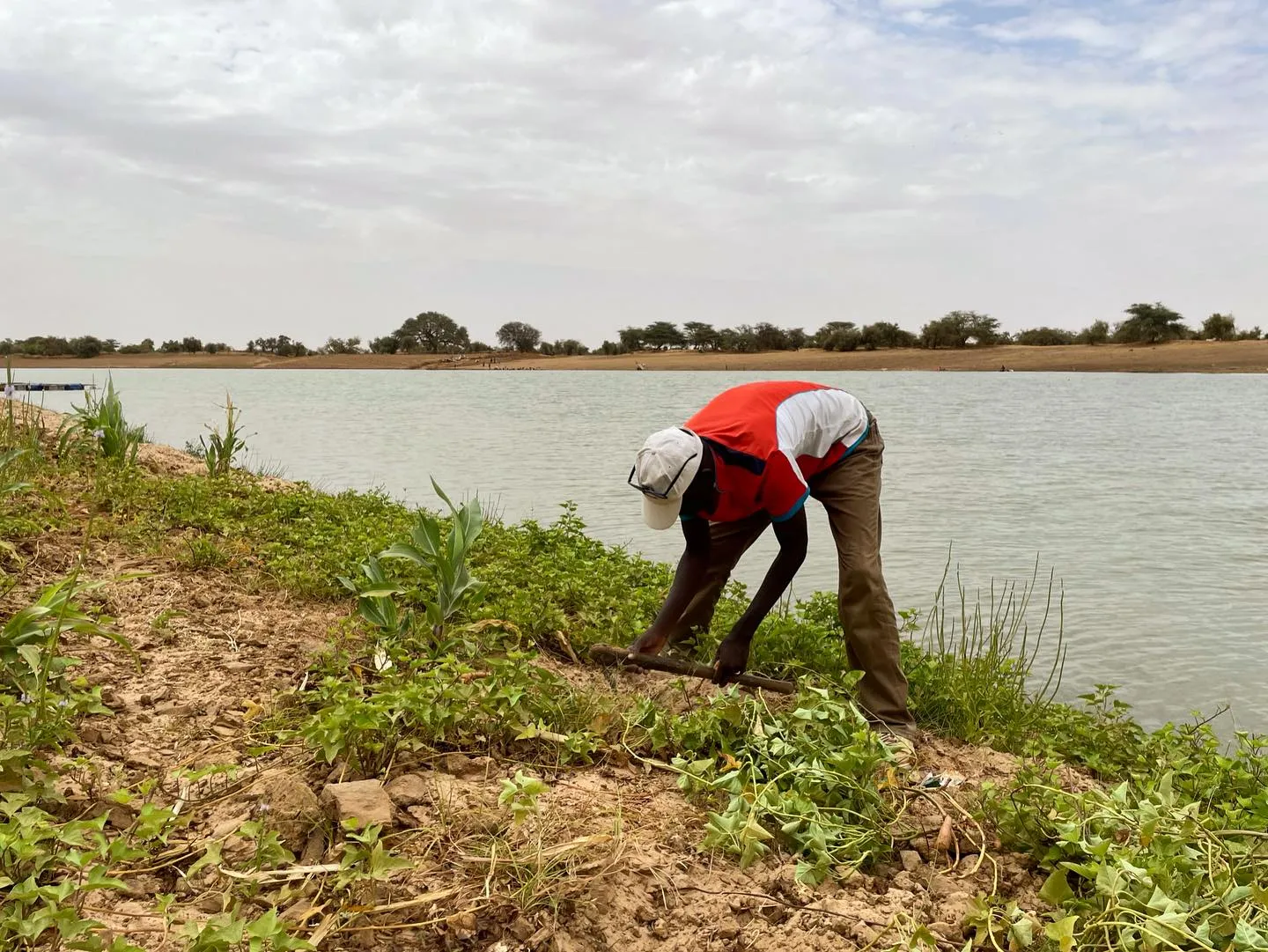
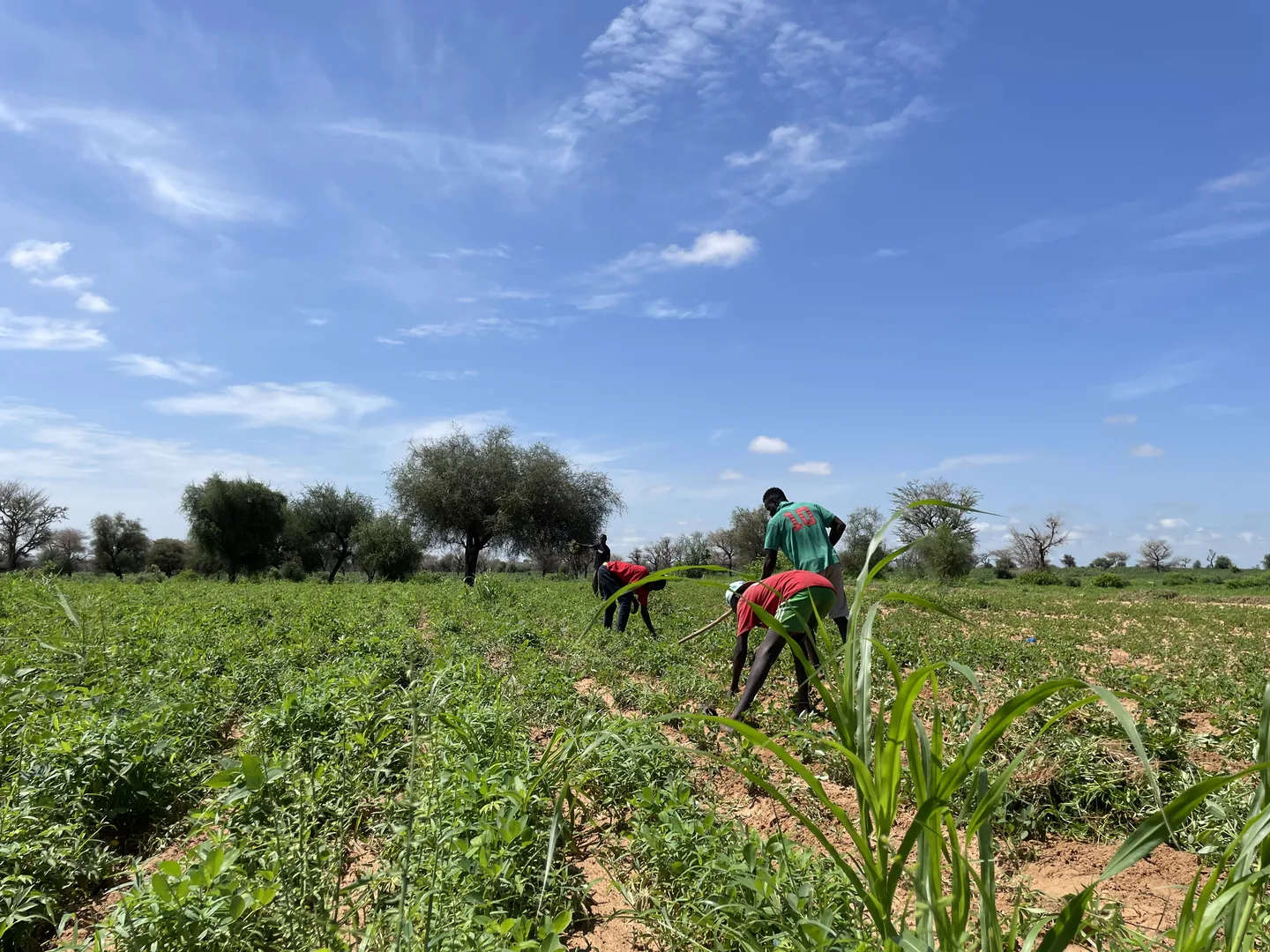
Field by the river
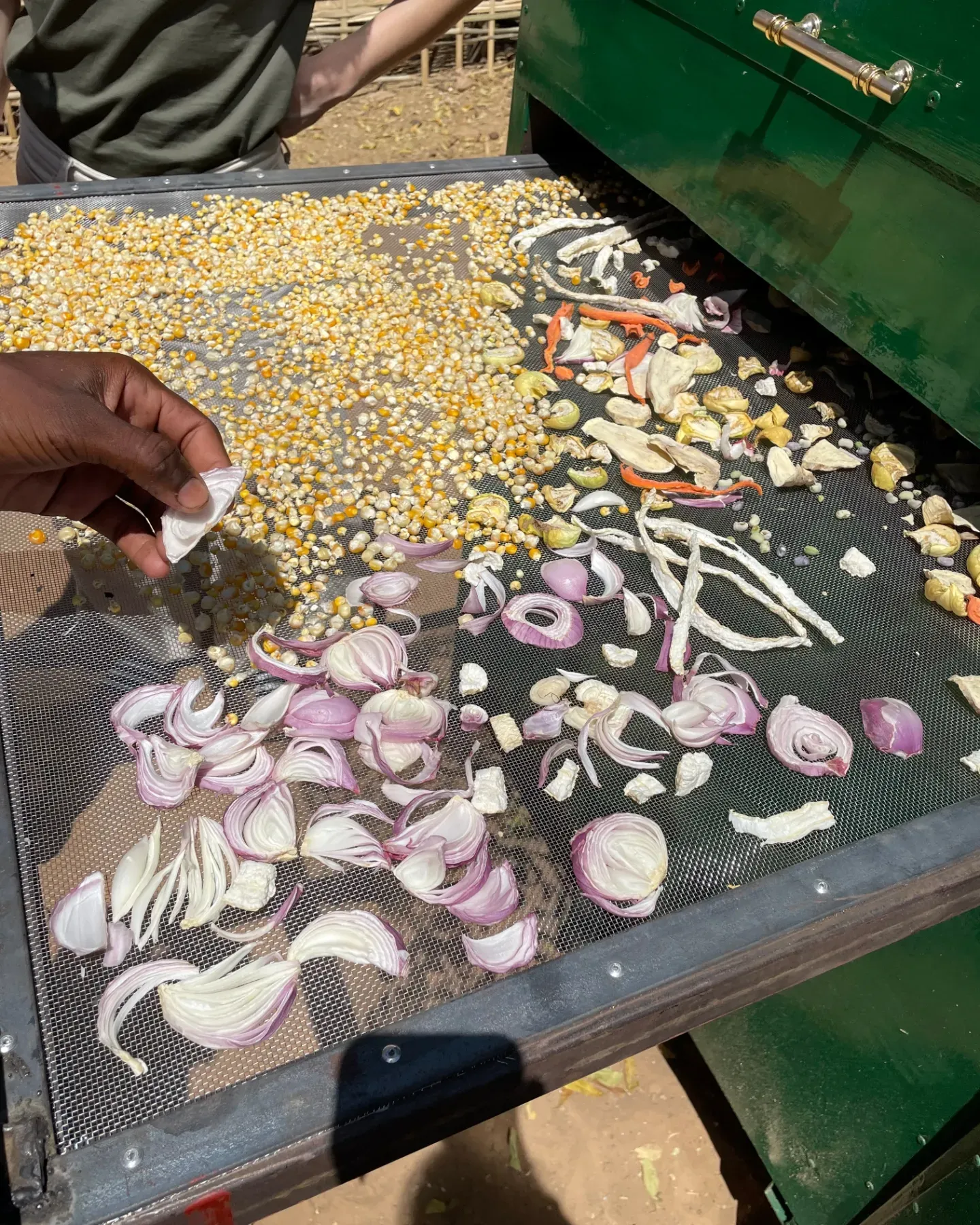
Produce on the tray
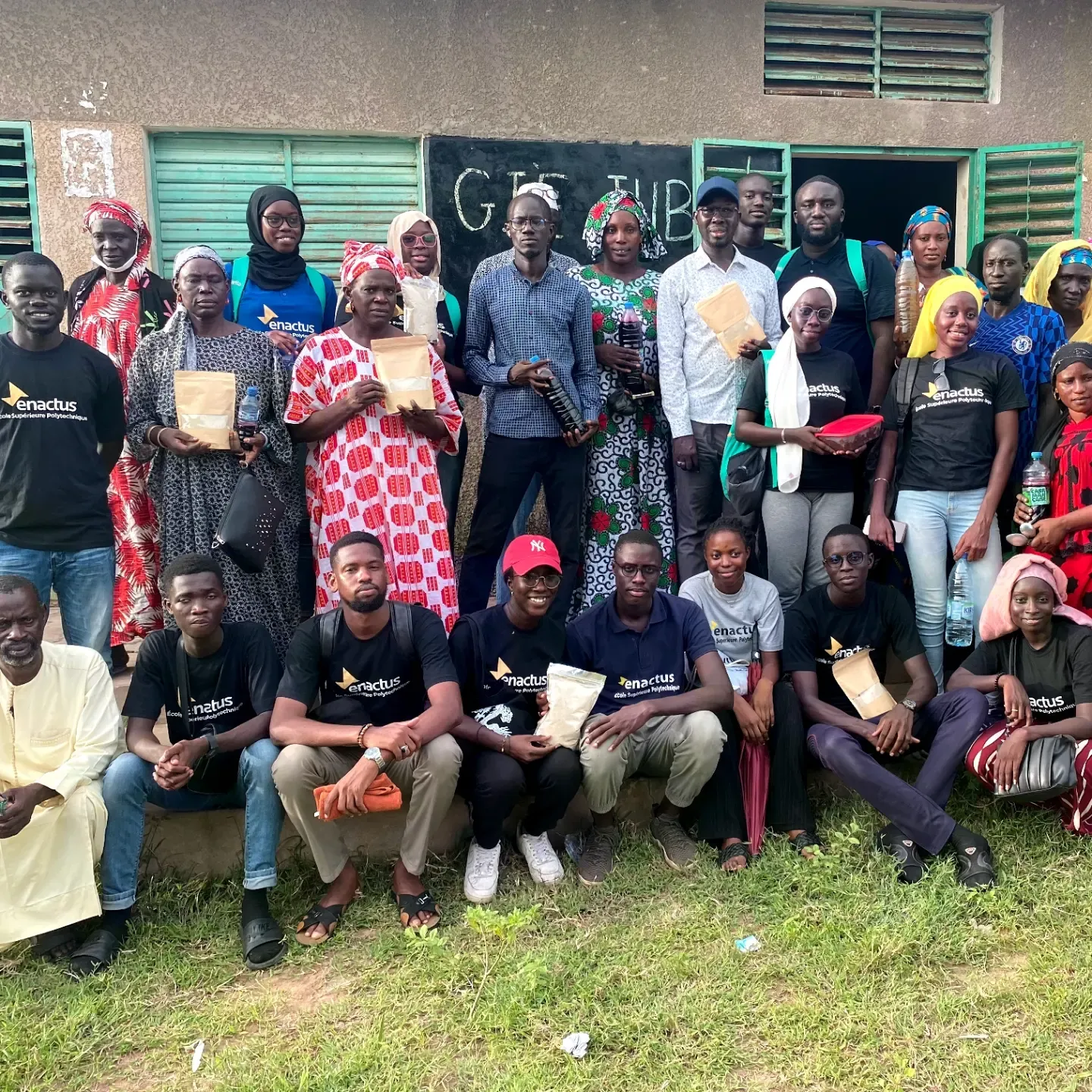
Training with Enactus Senegal
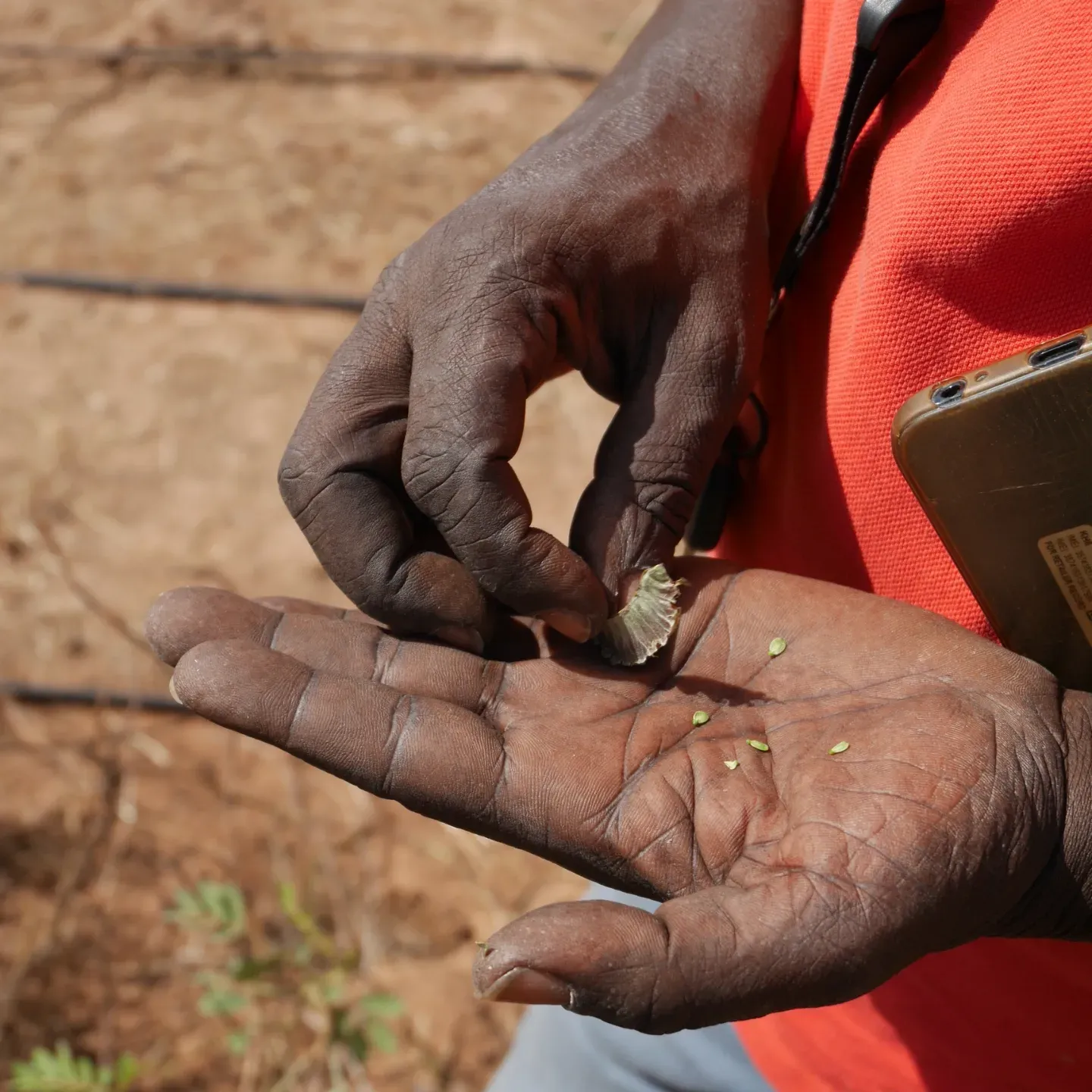
Seeds
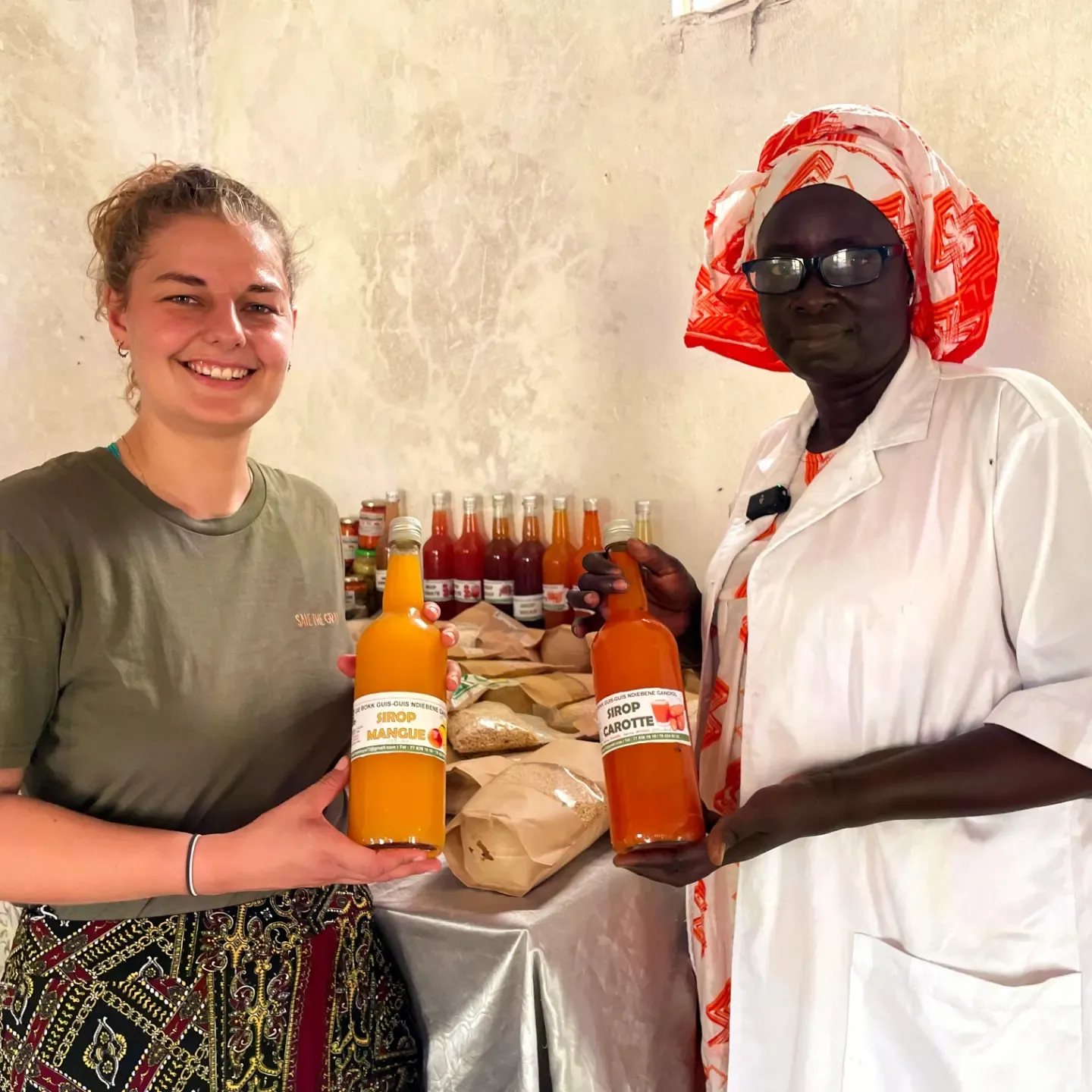
Products from the cooperative
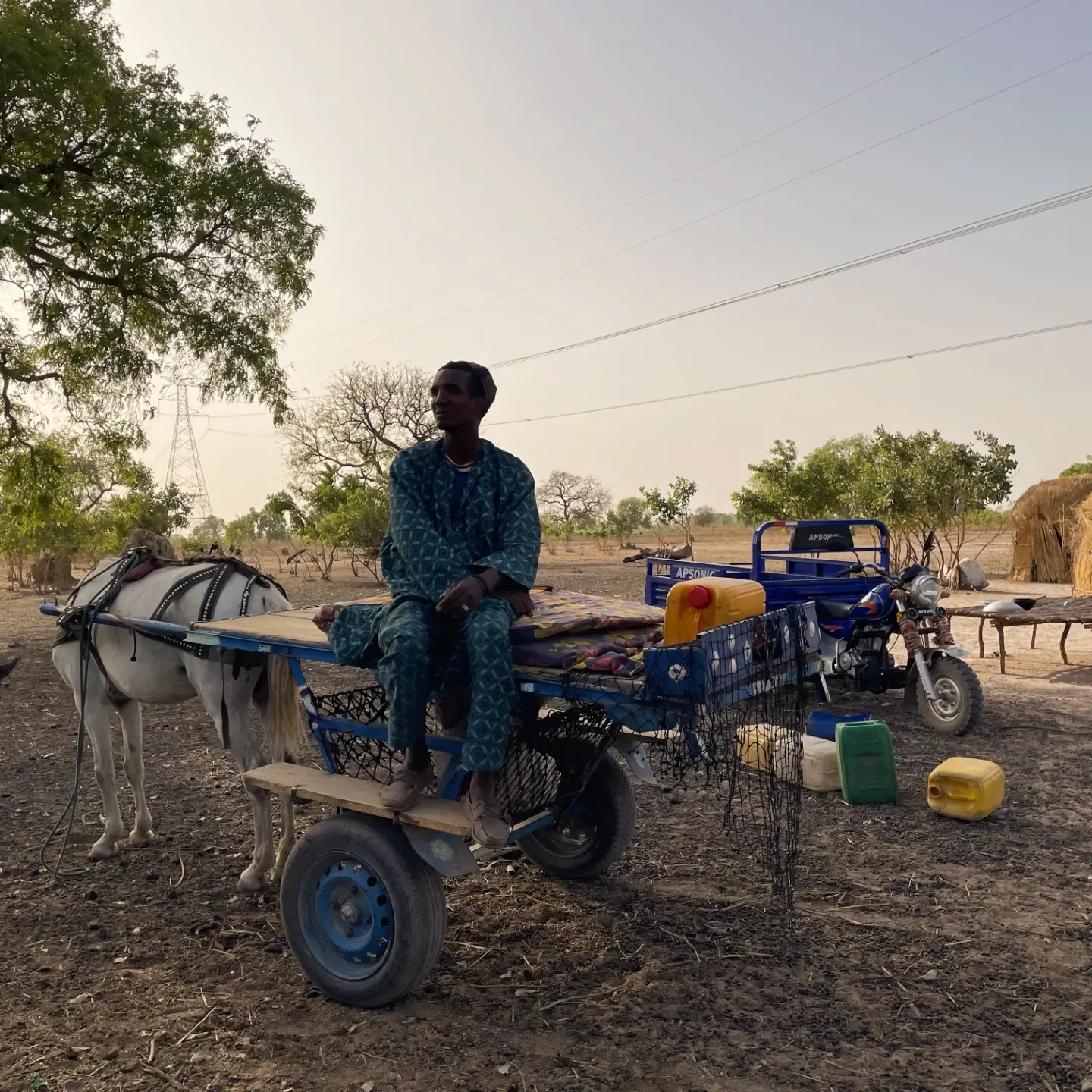
The way to market
Partners
Strong partners. One shared goal.
Implementation on site
Technology and industry
Science
Network and development
Funded by



Logos taken from public sources, partner approval is still pending.
Cooperation and contact