The challenge
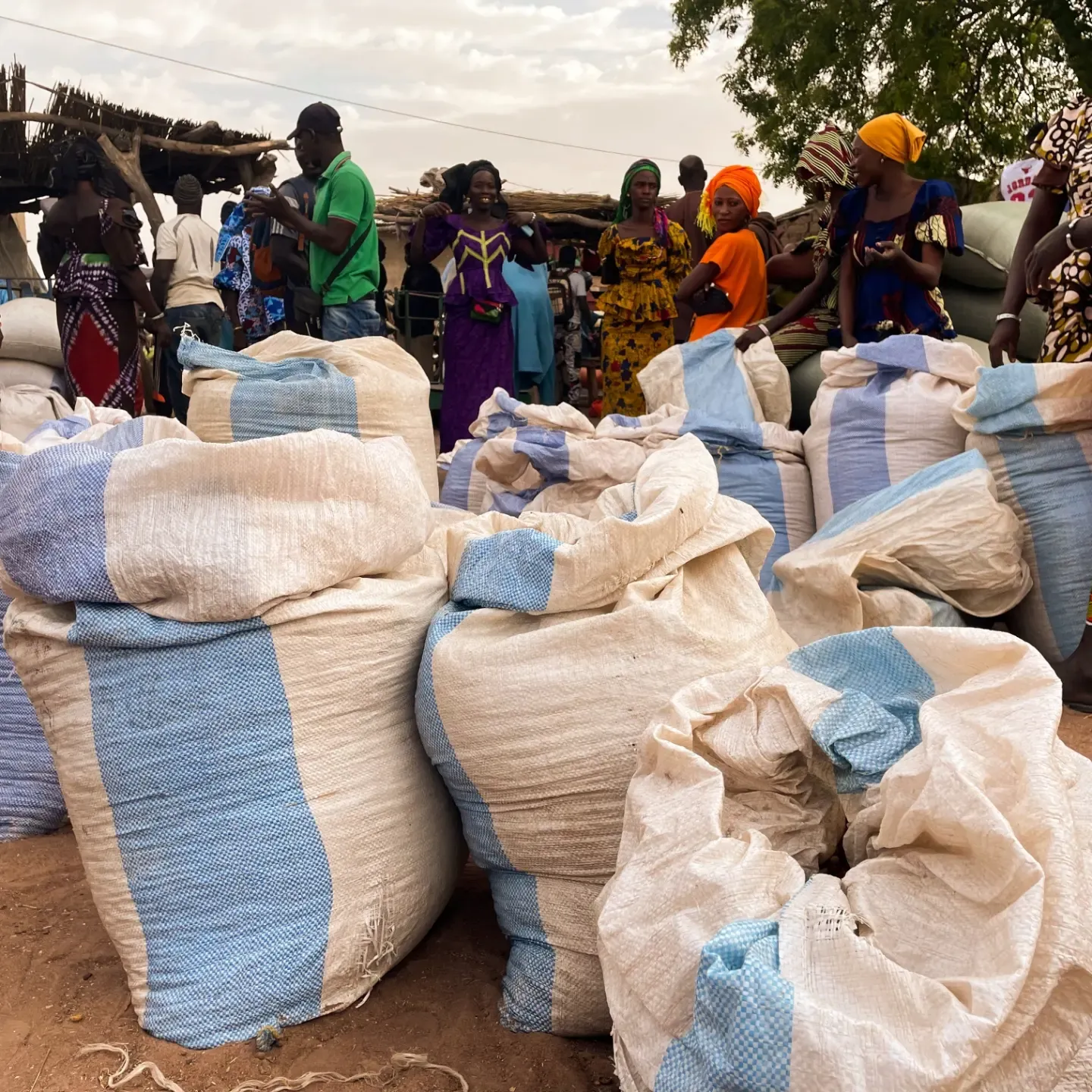
Losses happen quietly, between harvest and market.
One problem, three perspectives: data, people, policy. Every figure with its source.
Chapter 01 of 03
The scale
Losses of fruit, vegetables and tubers are far higher than those of grain. That is exactly where our drying comes in.
44 %
of the mango harvest in sub-Saharan Africa is lost along the chain (median of 7 studies).
Source: Frontiers in Horticulture 2025 ↗Losses by food
Our productsOther foodsRange across studies- PotatoCameroon46 %FAO 2018, Fallstudie Kamerun ↗
- MangoSub-Saharan Africa44 %13 to 49 %Frontiers in Horticulture 2025 ↗
- CassavaCameroon38 to 42 %FAO 2018, Fallstudie Kamerun ↗
- OnionZimbabwe33 %FAO/WHO PROFAV ↗
- TomatoSub-Saharan Africa31 %10 to 76 %Frontiers in Horticulture 2025 ↗
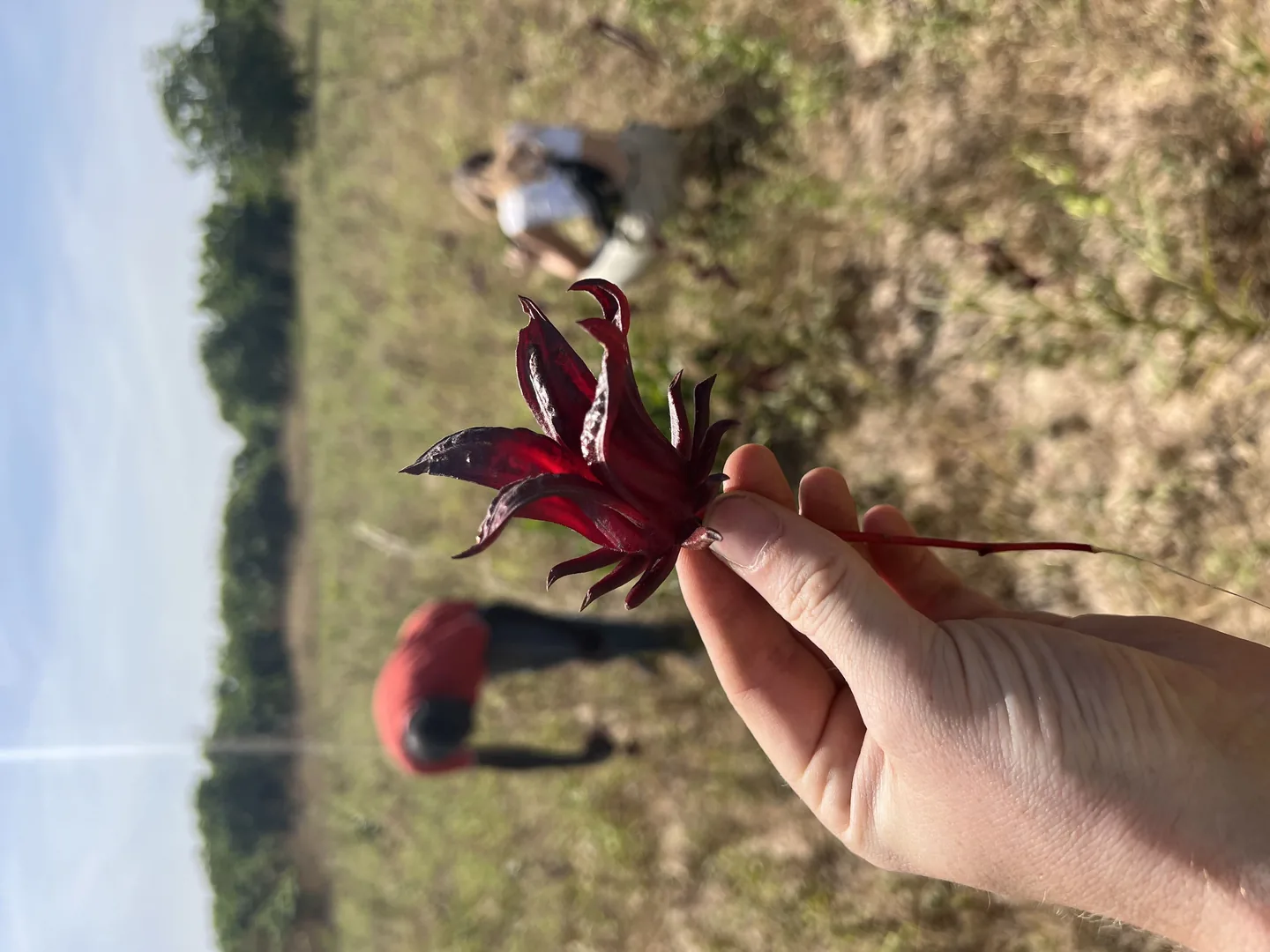
- HibiscusUganda10 to 50 %LSBU 2024 ↗
- BananaSub-Saharan Africa28 %8 to 45 %Frontiers in Horticulture 2025 ↗
- Fruit and vegetables overallSub-Saharan Africa25 %Frontiers in Horticulture 2025 ↗
- MaizeSenegal 202216.3 %APHLIS ↗
- RiceSenegal 202211.7 %APHLIS ↗
- SorghumSenegal 202211.6 %APHLIS ↗
- MilletSenegal 20229 %APHLIS ↗
Cameroon figures include losses before and during harvest. Values vary by region and season, so we show ranges rather than only peak values.
Maize loss chain
Senegal 2022 · APHLIS ↗- 6.4 %Harvest and field drying
- 4.0 %Further drying
- 1.3 %Threshing
- 2.4 %Transport from field
- 3.1 %Household storage
- 1.7 %Transport to market
- 2.7 %Market storage
Yellow: the two drying stages. This is where the Solar Dryer comes in.
A calculation, not a measurement: share of the other five stages in the sum of all stages, applied to 16.3 %.
10 to 20 %
of the grain harvest in sub-Saharan Africa is lost, around USD 4 bn a year, enough for 48 m people.
World Bank/FAO 2011, Missing Food ↗USD 670 m
in export earnings are lost by Africa every year, by estimate, because agricultural exports are rejected over aflatoxin.
PACA, EAC ↗447 m
people in rural sub-Saharan Africa have no electricity.
Tracking SDG 7, 2026 ↗8 to 10 %
of global greenhouse gas emissions come from food loss and waste.
UNEP 2024 ↗
Further reading
FCDO / GRTD Landscape Report 2024 ↗Comprehensive report on the intervention landscape from a UK donor perspective: policy, finance, technology.
Smallholder mango farmers in Mozambique lose 25 to over 50 % of their harvest.
Source: SEI · Stockholm Environment Institute ↗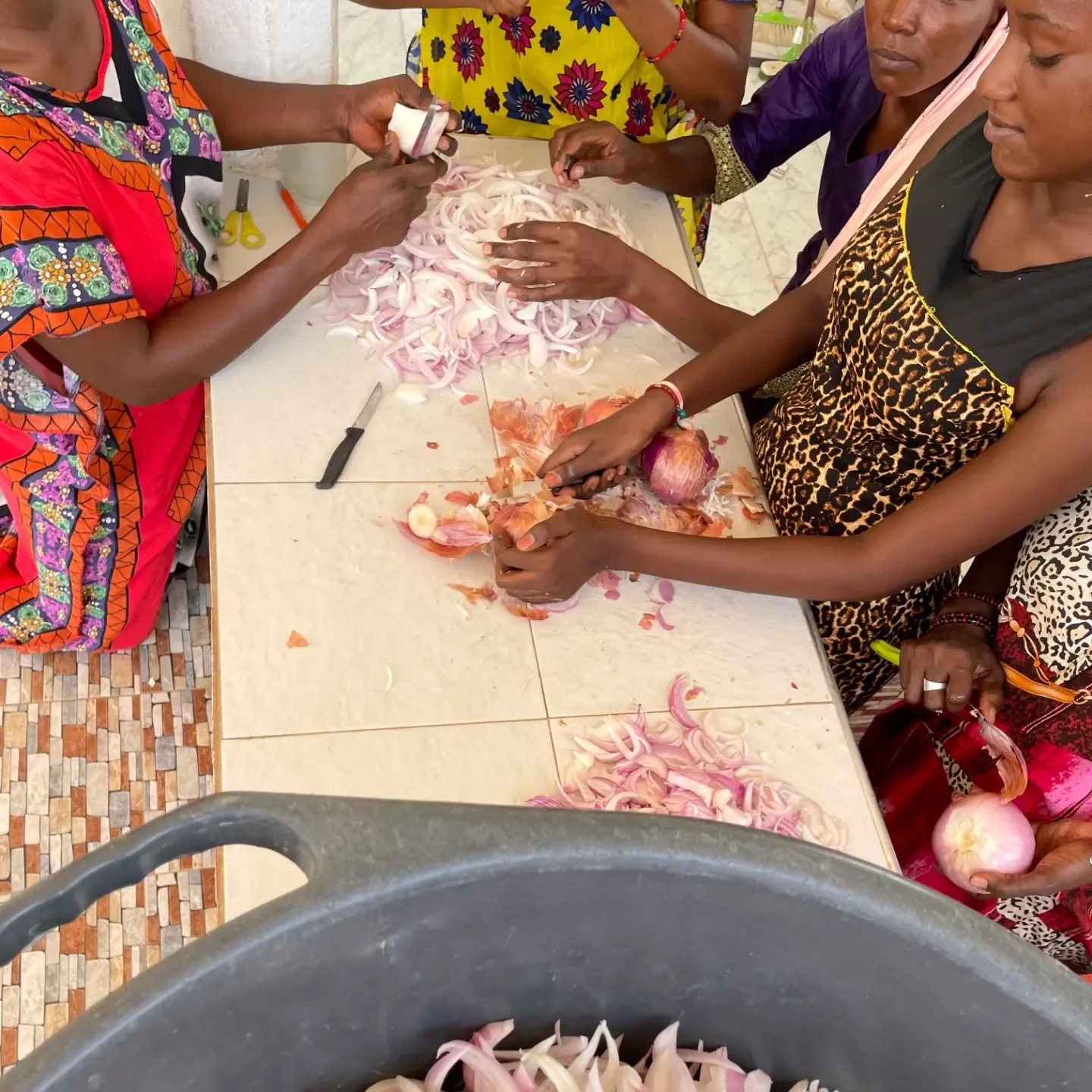
Chapter 02 of 03
The people: women and income
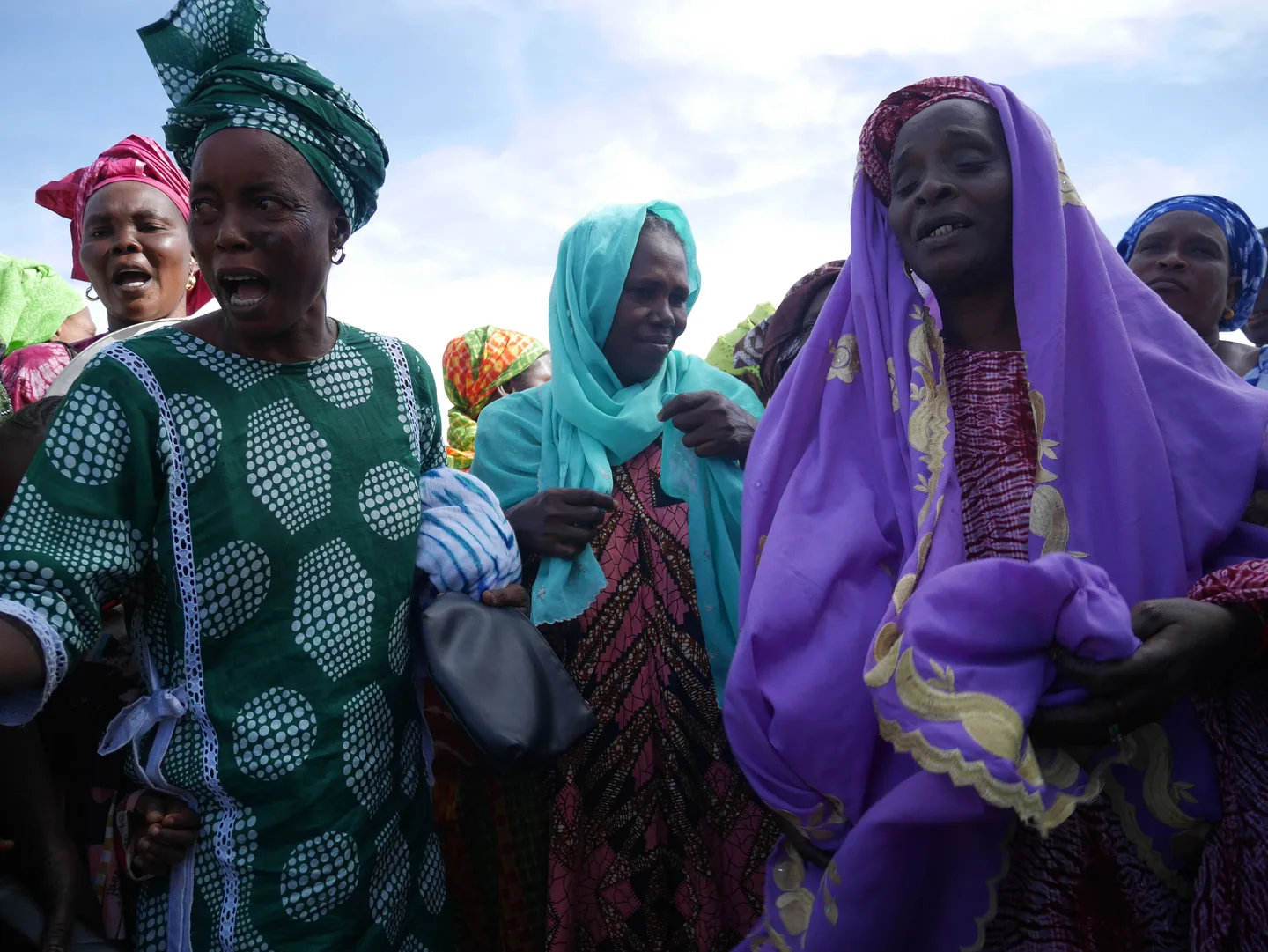
Women carry agriculture, yet have less land, lower pay and less training. That is why Femmepact exists.
28 of 33
countries: men are more likely than women to own land or hold secure land rights.
FAO 2025 ↗24 % · 82 cents
lower yields for women farmers on plots of the same size, and 82 cents in pay for every dollar men earn.
FAO 2023 ↗USD 1 tn
more economic output and 45 m fewer people facing hunger if these gaps were closed.
FAO 2023 ↗80 % · 5 %
More than 80 % of women mango farmers know no improved drying methods, fewer than 5 % have ever been trained.
SEI ↗
Share of agriculture in employment
ILO/World Bank 2023 ↗- Guinea-Bissau62 %
- Ghana36 %
- Senegal32 %
Country studies
- Springer / Food Security 2021 ↗
Women’s empowerment and gender equality in agricultural value chains. Four countries, including Benin and Malawi, pro-WEAI+MI index.
- UN Women Germany 2022 ↗
Environmentally sound agriculture and gender equality.
- SEI · Stockholm Environment Institute ↗
Solar drying in mango farming in Mozambique: losses, knowledge and cost as barriers.
The African Union set out to halve post-harvest losses by 2025. The target was missed.
Source: Malabo Declaration of the African Union 2014, 4th CAADP Biennial Review 2024 ↗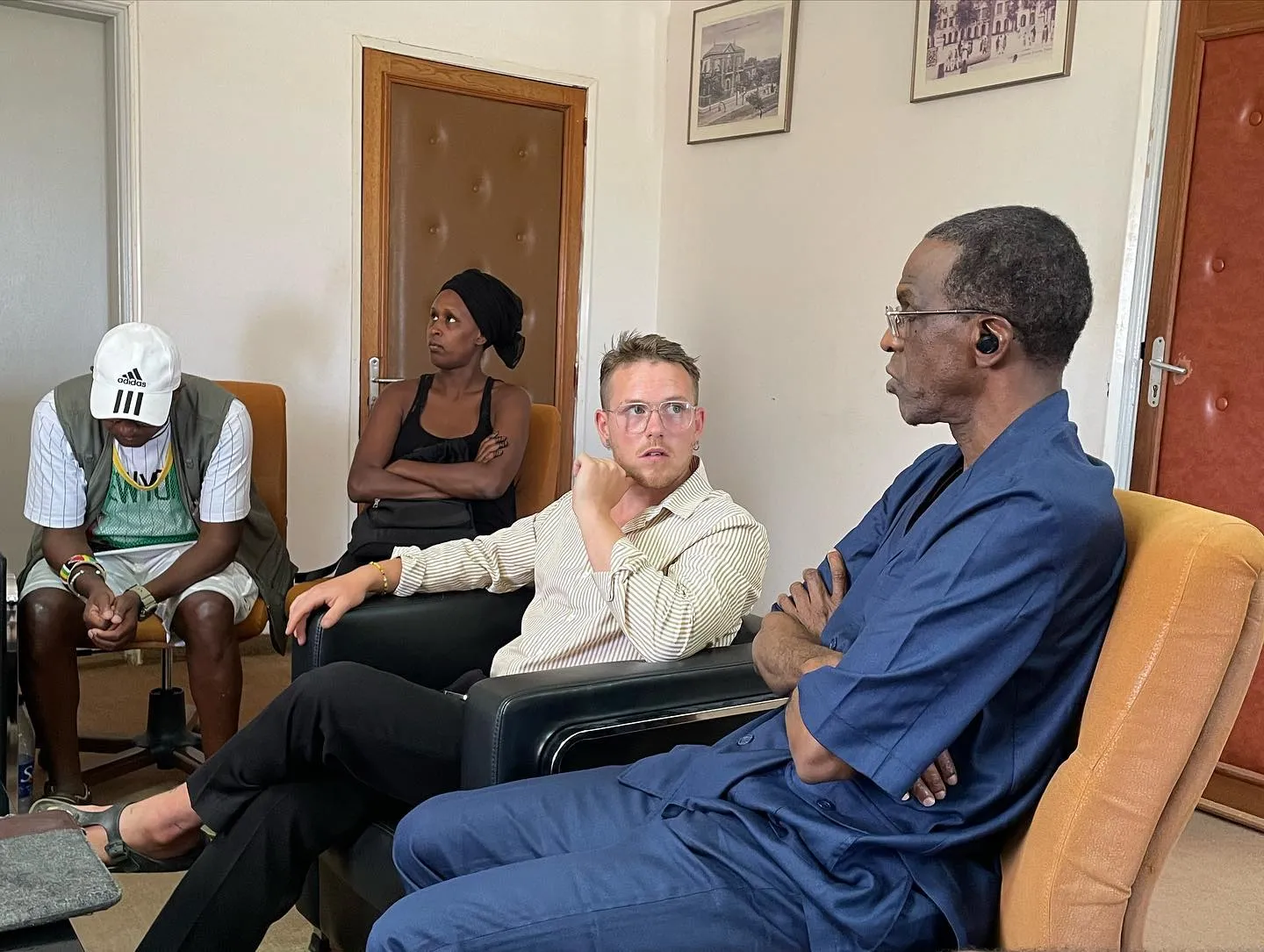
Chapter 03 of 03
Policy and funding: why now
We contribute to official goals and are connected politically, in Africa and in Germany.
2 to 3×
more effective: growth in agriculture reduces poverty two to three times more than growth in other sectors.
Source: World Bank ↗Our contribution to the Sustainable Development Goals
 Targets2.3 · 2.4
Zero Hunger
Fewer losses mean more food and higher incomes for smallholder women farmers.
 Targets5.5 · 5.a
Gender Equality
Femmepact: women as operators, with training and leadership.
 Targets12.3
Responsible Consumption and Production
The core of our concept: reducing post-harvest losses.
 Targets7.2
Affordable and Clean Energy
Solar Dryer instead of grid power or diesel.
 Targets8.3 · 8.5
Decent Work and Economic Growth
Jobs and income in local processing.
Save the Grain supports the Sustainable Development Goals.
The SDG icons are provided by the United Nations and shown for information in line with its guidelines. Their use does not imply the endorsement of the United Nations of Save the Grain, its products or services, or of its planned activities. UN guidelines on the logo and icons ↗
Malabo Declaration of the African Union
Target: halve post-harvest losses by 2025. The target was missed, the issue remains on the agenda: the 2025 Kampala Declaration sets a 50 % cut by 2035.
Source ↗German programmes
- BMZ / GIZ develoPPP ↗
Funding framework for business partnerships between German companies and developing countries.
- Invest for Jobs · sequa, GIZ, BMZ ↗
Funding programme for small and medium-sized enterprises, set up specifically for Ghana and Senegal.
WIN NRW.Afrika · GIZ and the state of NRW
Delegation trip as evidence of the political links between NRW and Ghana. Save the Grain takes part.